
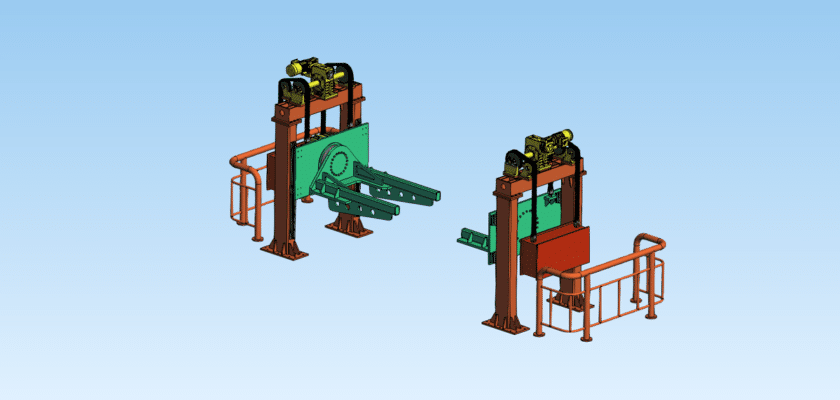
Сайт Elevator Internal Structure represents one of the most complex challenges in vertical transportation engineering, requiring a perfect synergy between structural load-bearing and precision motion control. This comprehensive чертеж provides a deep dive into the core mechanical architecture of a modern traction elevator system. It maps out the intricate relationships between the car frame, the counterweight system, and the guide rails, offering a professional blueprint for those looking to understand or manufacture heavy-duty lifting solutions.
By downloading this technical чертеж, engineers gain a precise reference for the layout of safety gears, speed governors, and the suspension rope termination points. The design accounts for high-stress environments, ensuring that every bracket and bolt is positioned to handle the dynamic forces of acceleration and deceleration. This file is particularly valuable for architectural planning and mechanical simulation, as it includes the necessary clearances required within the elevator shaft to ensure smooth, vibration-free operation.
Whether you are designing a freight lift for an industrial facility or a high-speed passenger elevator for a skyscraper, having access to an accurate internal structure model is critical. These drawings eliminate the guesswork involved in component spacing and rail alignment, providing a ready-to-use framework that adheres to standard safety protocols. Integration of this CAD data into your workflow will significantly accelerate the development of hoistway layouts and car assembly designs.
Ключевые особенности:
- Traction Drive Assembly: Detailed mapping of the motor, drive sheave, and braking system for reliable vertical movement.
- Safety Gear Integration: Precise positioning of the instantaneous or progressive safety gears designed to lock the car to the rails in emergencies.
- Counterweight Balancing System: Engineered weight-to-load ratios and guide shoe configurations for energy-efficient operation.
- Guide Rail Alignment: Accurate specifications for the T-section rails and mounting clips that ensure the car maintains a perfectly vertical path.
- Buffer and Pit Layout: Structural details for the energy-absorbing buffers located at the bottom of the shaft to protect the car and counterweight.


