
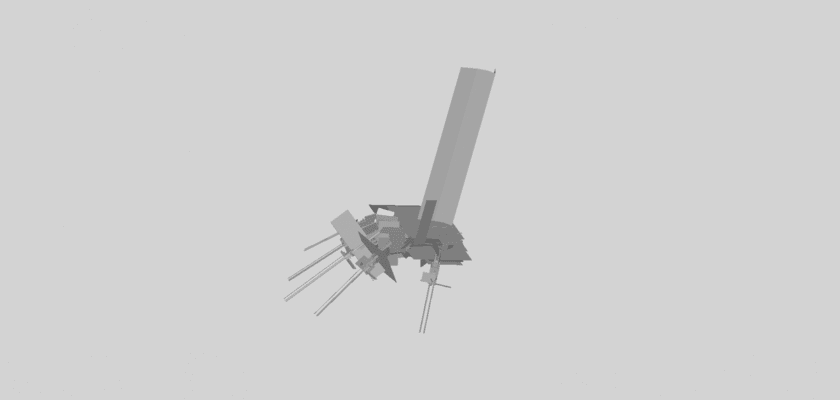
A Lightweight Humanoid Robot Drawing is a detailed technical illustration that represents the design, components, and functionalities of a humanoid robot designed for versatility and mobility. This drawing is essential for engineers, researchers, and developers involved in the design, operation, and maintenance of lightweight humanoid robots.
Ключевые особенности:
- Общая планировка: A comprehensive view of the humanoid robot, showcasing its structure and the arrangement of key components in a balanced and ergonomic design.
- Body Structure: Подробные иллюстрации каркаса робота, включая:
- Torso and Limbs: Information about the materials and design of the torso, arms, and legs, emphasizing lightweight construction for improved agility.
- Joint Mechanisms: Descriptions of the types of joints (revolute and prismatic) that allow for flexible movement and articulation, mimicking human-like motion.
- Head and Facial Features: Details on the design of the robot’s head, which may include:
- Датчики и камеры: Information about integrated cameras for vision and microphones for auditory perception, enabling interaction with the environment.
- Facial Expression Capabilities: Diagrams showing mechanisms that allow for the display of basic emotions or responses.
- Система управления: Подробная информация о блоке управления, который управляет работой робота, включая:
- Микроконтроллер или процессор: Information on the embedded systems that process inputs and control movements.
- Пользовательский интерфейс: Illustrations of control panels or software interfaces for programming behaviors and monitoring performance.
- Actuators and Motors: Information on the types of actuators used for movement, including:
- Серводвигатели: Specifications on the servo motors that drive the joints and provide precise control over movements.
- Источник питания: Details about the power source, including:
- Характеристики аккумулятора: Information on the type and capacity of batteries used, ensuring sufficient runtime for operation.
- Датчики и системы обратной связи: Diagrams showing various sensors integrated into the robot, such as:
- Proximity and Touch Sensors: Used for navigation and interaction with objects and people.
- Inertial Measurement Units (IMUs): For balance and orientation control.
- Возможности подключения: Информация о возможностях связи, в том числе:
- Беспроводная связь: Подробная информация о подключении по Bluetooth или Wi-Fi для удаленного управления и обмена данными.
- Интеграция с другими системами: Information on how the robot can communicate with external devices or networks.
- Функции безопасности: Information on safety mechanisms, such as emergency stop functions, collision detection systems, and soft edges to prevent injury during operation.
- Точки доступа для обслуживания: Руководство по зонам, предназначенным для легкого доступа при техническом обслуживании и ремонте, что способствует эффективному обслуживанию робота.
- Технические характеристики: Summary of key performance metrics, such as weight, range of motion, speed, and battery life, providing essential information for operational planning.
- Контекст приложения: Brief descriptions of typical applications for lightweight humanoid robots, such as in research, education, healthcare assistance, and social interaction.
This drawing serves as a crucial reference for anyone involved in the development and operation of lightweight humanoid robots, ensuring effective performance, reliability, and adherence to industry standards in various robotics applications.


