
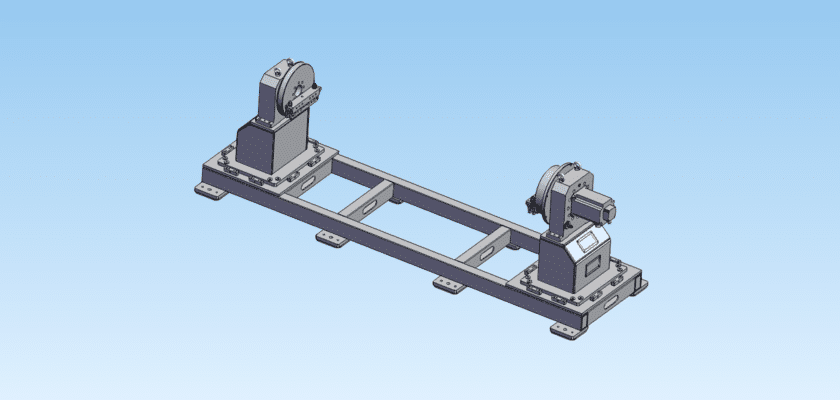
Сайт Shaft Elevator Car Frame Mechanism, often referred to in the industry as the “car sling,” is the primary load-bearing skeleton that supports the elevator cabin. This professional чертеж provides a detailed mechanical analysis of the steel framework designed to carry the weight of the car, its passengers, and the rated load. Unlike the decorative cabin itself, the car frame is a rugged engineering assembly that interfaces directly with the guide rails and the suspension ropes. This CAD model illustrates how vertical forces are transferred from the crosshead through the uprights to the safety plank, ensuring structural integrity during both normal travel and emergency braking.
By downloading this comprehensive чертеж, you gain access to a precision-engineered assembly that includes the mounting points for the roller guides, the safety gear activation linkages, and the isolation pads that decouple the cabin from mechanical vibration. The design emphasizes rigidity and alignment, providing the exact tolerances required to keep the car perfectly centered within the shaft. For engineers designing custom elevators or performing structural upgrades, this blueprint offers a verified foundation for calculating beam deflection, fastener shear strength, and the dynamic impacts of safety gear engagement.
This resource is optimized for manufacturability, detailing the heavy-duty bolting patterns and weldment specifications required for high-rise or heavy-freight applications. The чертеж also includes the layout for the under-car platform support and the attachment points for the compensation chain or rope hitches. Utilizing this pre-verified mechanism allows your team to skip the fundamental structural prototyping phase and focus on customizing the interior cabin or optimizing the drive system, knowing that the primary safety frame is built to professional industrial standards.
Ключевые особенности:
- Robust Crosshead Design: Detailed engineering in the чертеж for the top horizontal beam that anchors the suspension rope hitches.
- Integrated Safety Gear Interface: Precision mounting locations for the mechanical safety devices that lock the frame to the rails in an overspeed event.
- Vibration Isolation Mounting: Strategic placement of rubber or spring isolators between the frame and the cabin to ensure a smooth, silent ride.
- High-Strength Upright Channels: Vertical structural members designed to handle the torsion and bending moments during uneven loading.
- Adjustable Guide Shoe Brackets: Versatile mounting plates for sliding or roller guides to ensure perfect vertical alignment within the elevator shaft.


